For many, the scariest diagnosis one might receive, is the “big C” or Cancer, but I respectfully posit that the scariest is dementia.
Cancer you can fight, you can treat, you can hopefully overcome. A true dementia diagnosis holds so much more weight. The steady march of decline, the inability to care for oneself, losing treasured memories and recognition of the ones you love, the fading away of what makes you, well, you.
There is nothing more sacred and true than your mind. To lose it, rapidly or slowly, is to me, one of the most frightening possibilities that come with age. I have been blessed with a family history of long lives and sharp minds, but this is still a concern I carry.
As a woman who was diagnosed with fibromyalgia at age 21 and who has a history of some trauma, the likelihood of dementia increases for me. Scientifically, we know that chronic pain, as well as past traumas, can be indicators of mental decline. I am endeavoring to beat those odds.
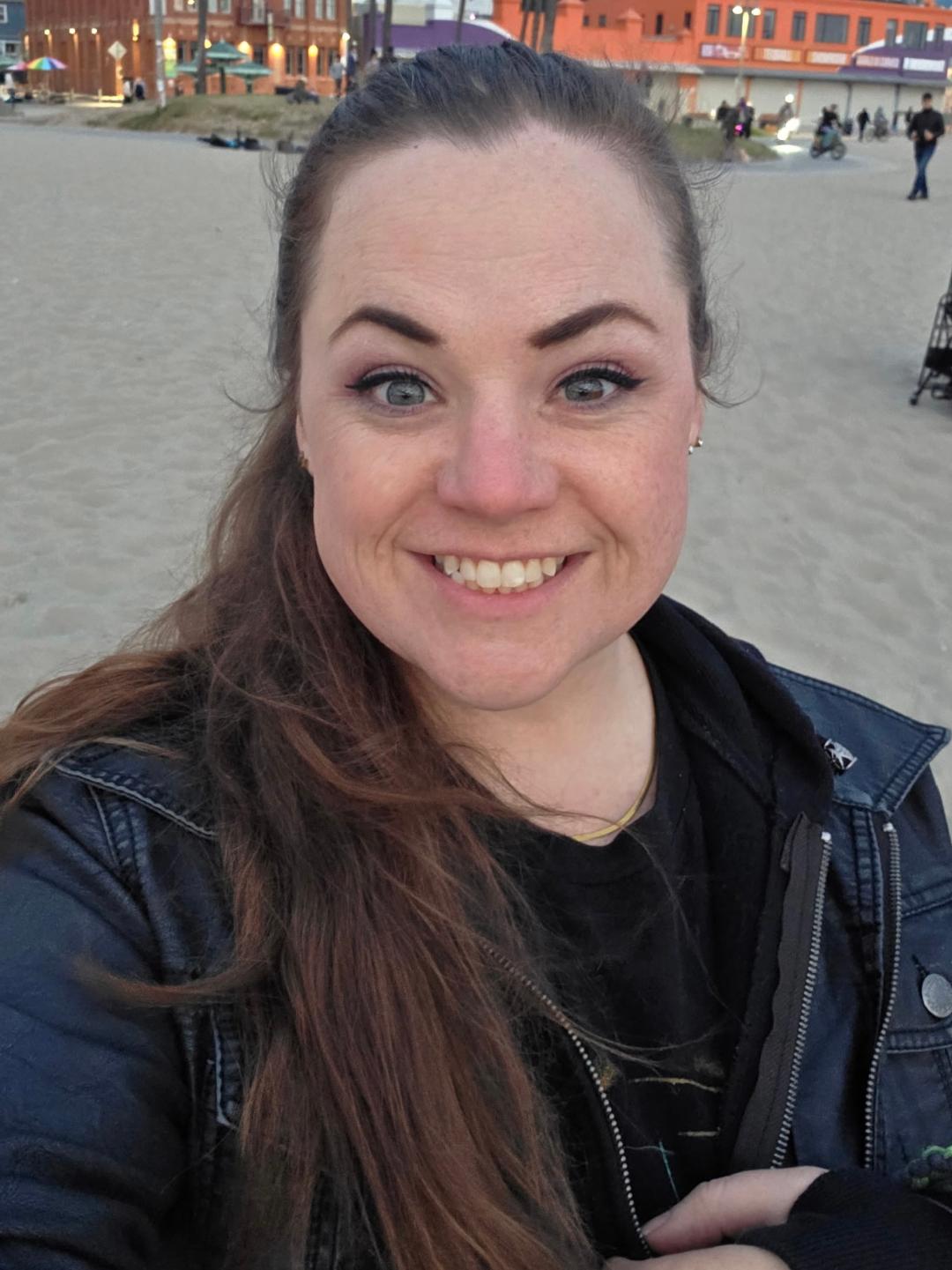
When I turned 30, I made a commitment to myself to really prioritize my health, both in the physical and mental realms. Start early, they say, to avoid later decline. I took that ball and ran with it; I eat well, I exercise my body regularly, and am happy to report that I’m in better shape now, having just turned 40 last week than I may have ever been (even better than when I exited basic training from the Army at age 21).
My mental health is probably also in the best place it’s been. I’ve worked hard over this past decade to get my head right, so that I’m able to handle whatever life throws my way as I age. I’ve done the traditional things; talk therapy, mindfulness, targeted reading on topics of trauma, pain, and learning not to be my own obstacle. These are things everyone tells you to do, and they are great activities for dealing with past issues, but if an ounce of prevention is worth a pound of cure, where do we find that ounce?
For me, that ounce of prevention comes in less “traditional” sources. Exercising and bolstering my brain has become my go to prevention method. I do this through preventative holistic supplementing of my diet, (brain healthy foods, omega 3’s, antioxidant rich choices as well as foods and supplements to keep inflammation at bay), Muay Thai (thai boxing), massive amounts of reading (all sorts of things, fiction and nonfiction) and my “grandma hobbies.”
I won’t dwell too much on the dietary things, most folks know that how you fuel your machine is directly in correlation with its (your body’s) performance. Let me take a moment to let you know why reading, violent martial arts and fiber crafting (knitting, crochet, embroidery) have become integral to my dementia prevention plan.
Language is a skill that requires constant tending. Your use of language in the everyday realm, as well as what you choose to intake (i.e. reading), is so very important for brain health. If I have ten ways to communicate what I mean, then I’m keeping mental connective pathways strong and exercised. If I were to lose several of those ways due to deterioration, I am hoping that having additional methods in reserve will help me retain “myself” in my mind better.
I could go on and on about the importance of language and its usage in mental clarity and retention, but let me simplify. READ. Read often, read varied materials, and occasionally, mix in reading that challenges you. Audiobooks are a great “cheat” to achieve this goal, allowing us to live our busy lives and still exercise our brains and language centers. I go through anywhere from three to ten books monthly in this manner. My mind thanks me for it.
I hear you, dear reader, saying, “Yes, of course, reading is important, but how did we get to violent martial arts and knitting as dementia prevention?”
By happiest of accidents I reply. I started knitting, embroidery and needlepoint work as a teen, as a fun creative outlet for me. I like to create beautiful things. Little did I know at the time, but these hobbies are also doing really important mental training in the background. These fiber arts have been clinically shown to activate the parasympathetic response, reducing cortisol (the stress hormone) as well as promoting relaxation and mindfulness.
These skills also require a great deal of planning, memory, sequencing and problem solving, in addition to working and exercising fine motor skills. According to one neurophychiatric study, engaging in craftworks can lower the risk of developing mild cognitive impairment by 30% to 50% in older adults. Not to mention, these activities are great fun and also provide access to some wonderful communities of like-minded creators.
Muay Thai (Thai Boxing) or “the art of 8 limbs” has been another “sleeper” in my mental toolbox. I started Muay Thai with the intention of learning a martial combat for self-defense and exercise purposes, but quickly came to realize the cognitive work that goes into this most violent of sports. The mental discipline required and the level of thinking that goes into this sport quite frankly shocked me, but I can feel the mental benefits of the discipline ripple throughout the entirety of my life, all in good ways (not to mention, hitting something at full force does WONDERS for stress relief).
I’m not saying that these activities will keep me from full cognitive decline in the future, but I wholeheartedly believe that by being proactive about taking care of my body and mind, I’m as well prepared as I can be to deal with these issues as they may arise in my life. I hope that sharing my “ounce of prevention” will inspire others to build their own mental tool kits and start early. Be well my friends.