My maternal grandmother, Betty, was born during World War I in a small town in Eastern Washington called Deer Park. She lived to be 97. My paternal grandmother, Netta, was born near the beginning of the Great Depression on a reservation in Ford, Washington. She lived to 92. Both of my grandmothers grew up in a time of disasters, famine and multiple wars which greatly impacted them. I come from a line of strong women – and can only imagine how traumatic it was to grow up in those times.
Grandma Betty grew up without a mom as her mom died in childbirth. She was born small and blue and her grandmother put her in the oven, blanketed, the oven serving as an incubator. Betty’s father wasn’t in the picture much, so she lived with her grandparents. As for Grandma Netta, she was one smart cookie. When she was only 16, she graduated high school and was accepted into a secretary school. After completing that, she modeled in Florida!
Betty basically raised me as a kid as both of my parents had to work. My grandma used to tell me all the stories from when she was a kid, and she drove me to ballet, gymnastics and ice skating. We spent a lot of time together and I got to know her well. Through Grandma, I became obsessed with music from WWII, especially loving the Andrews Sisters. If I hear “Boogie Woogie Bugle Boy of Company B” on the radio, I get goosebumps! Ever since I can remember, I just wanted to dance. Betty taught me the Twist, the Charleston, and square dancing.
Grandma Betty stayed independent for a long time, despite struggling with heart disease, mental health problems and learning issues. Later in life, she developed diabetes and macular degeneration. This, in turn, caused her to become legally blind and, sadly, we had to take her car keys when she was 80.
In college I lived across the street from Betty and she loved to walk over to my little place to visit. As she aged, I noticed her mind was going a little bit at a time. Living in an apartment complex for seniors, she met a man while in her mid-80s. I noticed that he seemed a bit off. Despite that, I was earning my degree in psychology and had a newborn baby at the time, so it was nice that this man appeared to be taking care of Grandma.
Soon, my family unexpectedly found out that the two got married. Shortly afterward, during a visit to see my son and me, I noticed my grandma was in long sleeves. This was in late August and it was so hot that summer in Spokane. When grandma reached for my son, her sleeves pulled up and I saw she was covered in bruises, bruises that were distinctly hand shaped. Her dementia was advancing at this time and there were a couple incidents with the police after her bruises alerted some of the staff at the senior center. When questioned, she never said she was being mistreated. But her husband was no longer allowed at the senior center because the staff didn’t feel safe with him. I think this is when he went off the deep end.
One day, Grandma Betty was there and the next she disappeared without a trace. The senior center said that her husband paid them and left with no forwarding address. Prior to kidnapping her, this man controlled everything in Grandma’s life – financially, physically, mentally and medically. Betty was gone for about five years and I mourned her every day. No trace at all, until one day when my aunt received a call from a nearby nursing home. They told her Grandma’s husband had died and, in his will, he advised the nursing home to contact her as to my grandma’s whereabouts. When I saw Betty again, I broke down crying.
I believe the massive trauma of Grandma’s husband stealing her from the family kicked her dementia into high gear. What set the table was all of her early trauma where she was abused in terrible ways. After her return whenever I visited Grandma Betty, she was snuggling a teddy bear. When I’d tell her who I was, she’d say, “I haven’t seen you since you were knee high to a grasshopper.” All of our adult years together were gone to her.
As her illness progressed, Grandma became more childlike. I would bring my Chihuahua, Taco, for visits and he’d snuggle on her lap. She also developed a love for strawberry milkshakes. Her hands were so dry, they looked like they hurt. When I’d rub lotion on them, she told me I had “magic hands”. She didn’t know who I was, but she appreciated her doggie snuggles, milkshakes, teddy bears and hand rubs. I’m certain and sad that all of her trauma led to her many health problems, including dementia.
My heart broke as Grandma lost more of her mind. That, and mourning her “death”, then suddenly finding out she was alive and only four miles from my house, was too much for me. Previous to this, my body had started its decline into chronic illness hell and I was being told “it’s all in your head”. I descended into an addiction to pain pills for almost ten years as drug and alcohol problems run rampant on both sides of my family. Fortunately, I have a Master’s Degree in Co-Occurring Therapy which helped me become sober now for 13 years.
I’m going to be honest here. I’m very frightened for my future because I don’t want to end up with dementia like my grandma. I’ll be 49 in December and I can tell my brain is changing due to chronic pain, long-term inflammation, medication and procedure side effects.
And as I develop new conditions, my body’s become a stress ball. I love to read and write, but my vision started going when I developed sclerosis. My lupus has attacked my eyes and I’m afraid I’ll go blind like my grandma. I can feel the trauma that’s been passed down. Generational trauma fascinates me and I love to do research, but I’m afraid I’ll lose that too as my brain atrophies. I feel like I am losing myself.
My concerns are twofold as Grandma Netta also developed many serious health problems including dementia. No surprise as Netta went through many similar early traumas as Betty, though sadly due to driving restrictions on my side, I wasn’t able to spend much time with her. So I have a lot of generational and early trauma impacting my health. That, and relatively current trauma too. As a therapist, I took home too much of my patient’s suffering. I think the accumulative weight of all of this trauma is what drove my body over the edge.
Again, I come from a long line of strong women, but I feel like a failure because I’m not even remotely independent now due to my many health problems. I need help getting showered and dressed and I can no longer drive.
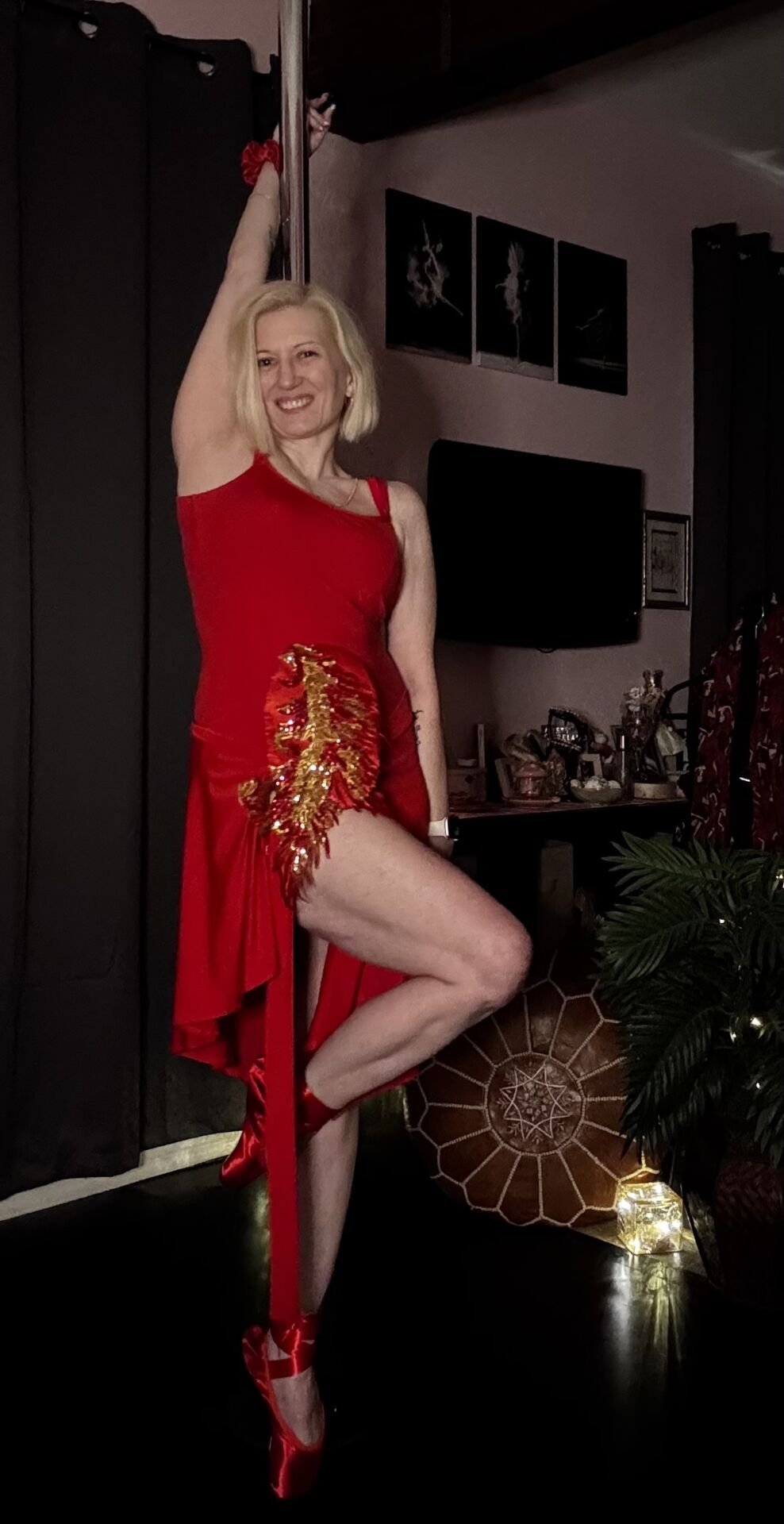
That said, nothing will ever stop me from enjoying my modified ballet work because this great passion overshadows the turmoil in my heart and soul. This is my hope.