My Comeback from Chronic Pain
For a long time pain became the background to almost everything I did. I had been a police officer and was used to pushing through things, staying alert and getting on with whatever was in front of me. That way of functioning served me well for years, until eventually it didn’t.
What started as physical symptoms gradually became much bigger. I was living with chronic pain, anxiety, insomnia and periods of depression, alongside a nervous system that seemed to be permanently switched on. I was constantly monitoring how I felt, trying to work out what was wrong, what had caused the latest flare and what I needed to do to make it stop. The more symptoms I had, the more attention I gave them, and the smaller my life became around them.
Like a lot of people with persistent pain, I spent years looking for answers. I wanted there to be something concrete that could be found and fixed. When I first came across neuroplasticity and the idea that the brain and nervous system could play a part in persistent symptoms, I was skeptical. I didn’t want anyone telling me that my pain wasn’t real or that I simply needed to think differently. The pain was very real.
What eventually changed things for me was understanding that neuroplasticity didn’t mean imagining symptoms or causing them with my thoughts. Our brains and nervous systems are constantly learning and adapting from experience. After years of stress, symptoms, vigilance and trying to protect myself, mine had become extremely good at detecting threat.
That gave me something different to work with.
Instead of spending all of my energy fighting my body, analysing every sensation or waiting until I felt completely safe before doing things, I gradually started changing the way I responded. I learned to notice the fear and monitoring without automatically following them. I worked on nervous-system regulation, changed some of the patterns that had built up around pain and slowly began giving my brain different experiences.
It wasn’t a dramatic overnight recovery. There were plenty of times when symptoms returned and I wondered whether I was getting anywhere. One of the hardest things was learning not to interpret every bad day as evidence that I was back at the beginning.
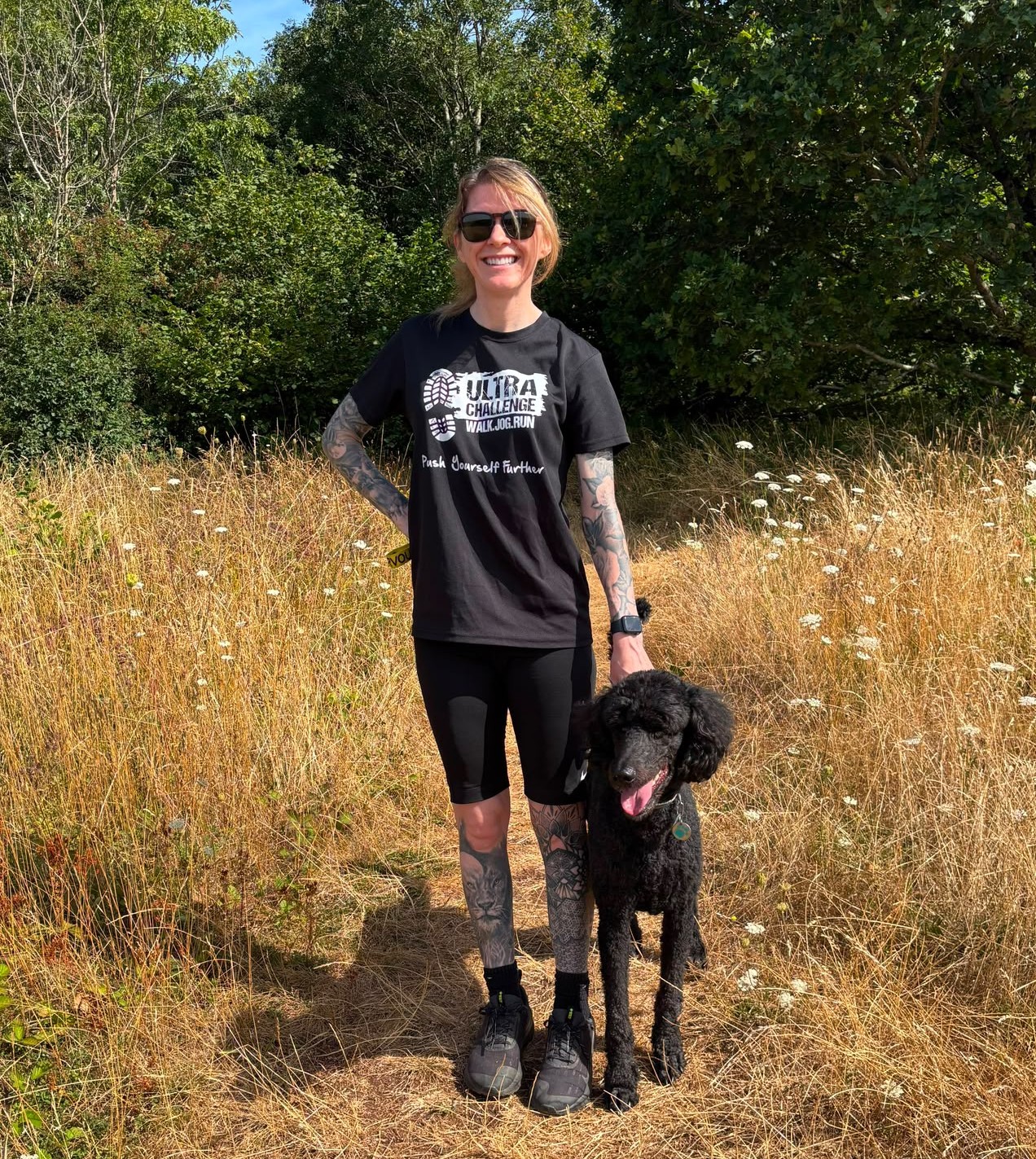
Over time, however, things started changing. I became less afraid of what I was feeling. I stopped organising so much of my life around symptoms. I began doing more, trusting my body more and paying less attention to every fluctuation. Eventually, chronic pain stopped being the centre of my life.
Recovery also changed the direction of my career. I became fascinated by what I had learned about the brain, stress and the nervous system, and I wanted to understand it properly rather than simply repeat what had helped me. I went on to train in this area, and today I am co-CEO of re-origin, where we teach neuroplasticity and nervous-system approaches to people living with persistent symptoms.
I am careful when I tell my story because chronic pain is complex and there is no single explanation or approach that is right for everybody. Neuroplasticity should never be used to dismiss symptoms or replace appropriate medical care.
But I also wish I had understood much earlier that persistent pain does not necessarily mean the body is permanently damaged or that nothing can change.
For me, the biggest part of my comeback was not learning how to control every symptom. It was gradually learning that I didn’t have to build my whole life around them anymore.